
Houston Construction Accident Lawyer Who Steps In and Takes Control
I step in immediately, deal with contractors, insurance companies, and site management, and start building your case the right way from day one.
No confusion.
No delays.
No getting pushed around.
Licensed to practice in both the U.S. District Courts for the Northern and Southern Districts of Texas.
Direct From Zane
Watch This Before You Talk to Insurance
“If you’ve been injured on a construction site, the biggest mistake I see is people talking to insurance adjusters or site representatives too early—or accepting an offer that doesn’t come close to covering their injuries. Before you do anything—get clarity.”
The Reality
Here’s What Most People Don’t Realize
After a construction accident, things move fast—and not in your favor.
Insurance companies and employers:
- Look for ways to shift blame or reduce liability
- Use your statements to weaken your claim
- Try to resolve things quickly before the full extent of your injuries is known
I’ve seen strong cases fall apart because of what happened in the first few days. That’s why how you handle this now matters.

When I Take Your Case
What Happens When I Take Your Case
This isn’t about “processing” your case. It’s about putting you in the strongest position possible. Here’s how it works:
I take over communication with insurance companies, contractors, and site representatives
I help ensure your injuries are properly documented and taken seriously
I make sure critical evidence is secured immediately (incident reports, site conditions, OSHA factors)
I build a case designed for leverage—not guesswork
What We Handle
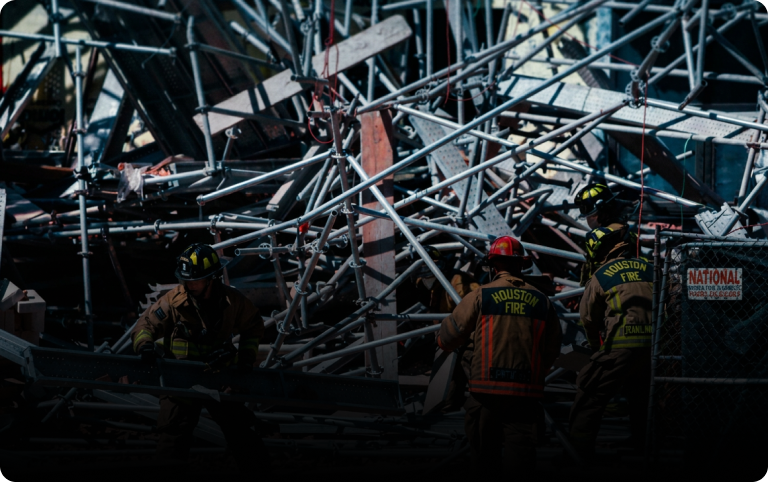
Scaffolding Accidents
Falls from Heights
Falling Objects or Equipment
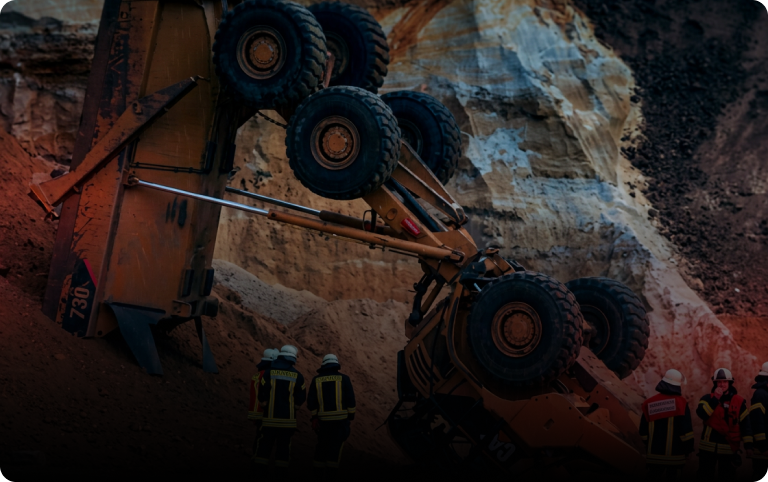
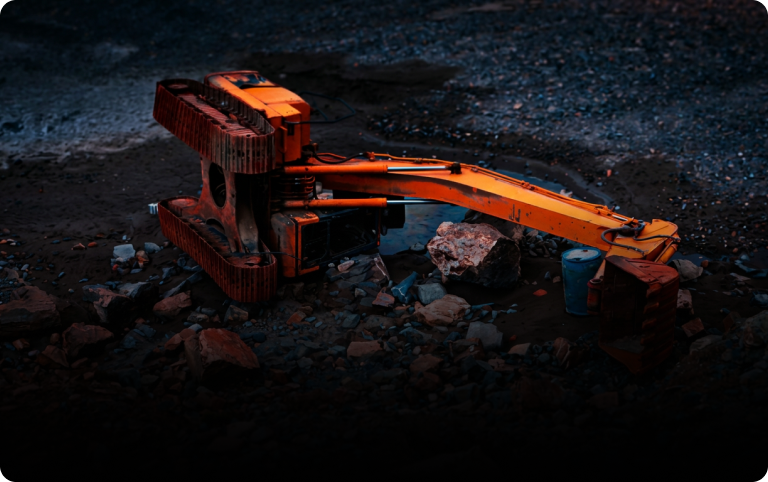
Machinery Accidents
Electrocution Injuries

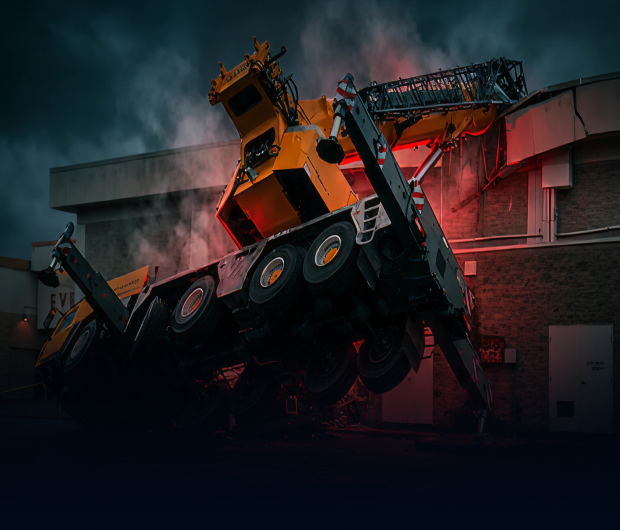
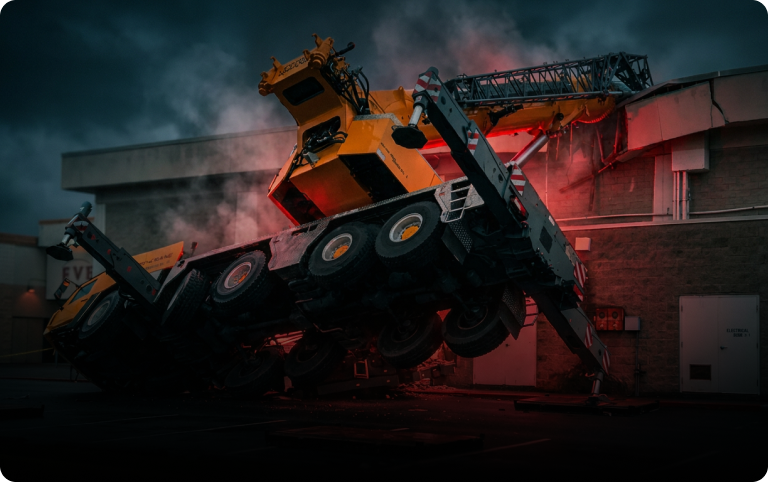
Crane Accidents
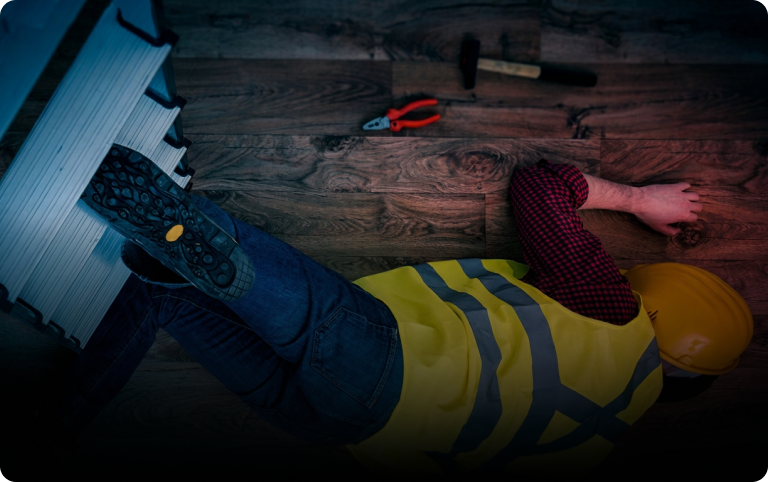
Ladder Falls

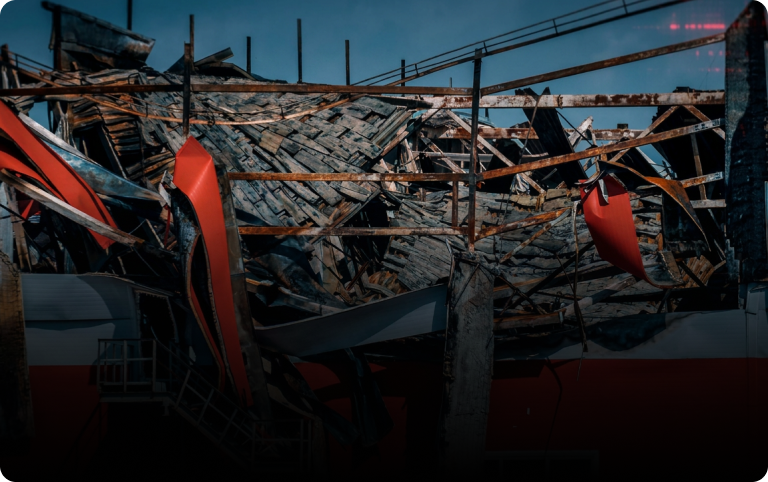
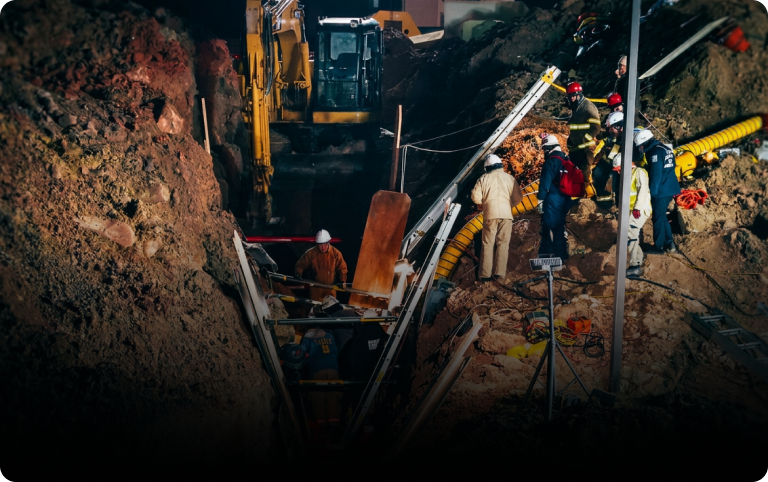
Trench Collapses
Site Safety Violations

Why Clients Choose Me
I Don’t Run A Volume Operation.
I don’t disappear after you sign.
At the Law Office of Zane Weeks, PLLC, I stay involved, make the calls that matter, and push your case forward—especially in complex construction accident claims where details matter.
Straight answers—no legal runaround
A clear strategy from the start
Fast action when timing matters
Real commitment to the outcome
Case Updates
You’ll Never Be Left Wondering What’s Happening
One of the biggest frustrations people have with lawyers is simple—they can’t get updates.
I built this differently.
You can request a case update anytime directly from this site, and my team will respond by text or email.
No chasing. No silence.
What Most Lawyers Won’t Tell You
Not all construction accident cases are treated equally.
Some get pushed through fast.
Some get minimized or blamed on “worker error.”
Some get lowballed and settled early.
That’s not how I approach this.
I build every case with the expectation that it might need to go further—because that’s where real leverage comes from, especially when multiple companies are involved.
Trust
What Our Clients Say
The Reality
Meet Zane Weeks
I handle cases personally. If you reach out, you’re not getting passed around—you’re getting someone who understands how construction accident cases work and knows how to move them forward the right way.

What Most Lawyers Won’t Tell You
Still Thinking About It?
If you’re unsure what to do next, that’s exactly when you should reach out.
One conversation can change how your case plays out.
No pressure.Just clarity
FREQUENTLY ASKED QUESTIONS
Answers When You Need Clarity Most.
First, take care of your health. Get medical attention immediately—even if the injury doesn’t seem serious at first.
Then start protecting your case.
Document everything you can:
- Photos of the construction site, equipment, and hazards
- Your injuries and medical treatment
- Incident reports and communication with supervisors
- Notes about what happened while it’s still fresh
And one important thing—be careful about giving statements to insurance companies or employers without understanding your rights.
Construction accident cases involve more than just one party, and what you say early on can impact your entire claim.
The sooner you take the right steps, the stronger your case will be.
My job is to take the pressure off you and build your case the right way from the start.
That means I’m not just reviewing paperwork. I’m actively:
- Investigating how the accident happened
- Identifying all liable parties (contractors, subcontractors, property owners)
- Gathering evidence like reports, safety records, and witness statements
- Working with medical experts and documentation
- Handling all communication with insurance companies
- Negotiating settlements—or preparing for trial if necessary
Construction accident claims require precision and strategy. I focus on building leverage and protecting your position from day one.
Because these cases are rarely simple.
You may be dealing with:
- Multiple companies are pointing fingers at each other
- Insurance carriers are trying to minimize payouts
- Pressure to accept a quick settlement
- Confusion around workers’ compensation vs. third-party claims
Without the right approach, it’s easy to:
- Accept less than your case is worth
- Miss critical evidence
- Lose leverage early
What I do is simple: I make sure your case is taken seriously, build it the right way, and push for a result that reflects what you’ve actually been through.
There are legal deadlines (statute of limitations), typically around 1 to 3 years — but construction cases can involve multiple timelines depending on who’s responsible.
The real issue isn’t just the deadline—it’s what happens before it:
- Evidence disappears from the job site
- Conditions change
- Witness memories fade
- Companies begin protecting themselves immediately
That’s why timing matters. The earlier we get involved, the more control we have over building a strong case.
I work on a contingency fee basis.
That means:
- No upfront fees
- No hourly billing
- You only pay if we win or recover compensation for you
This keeps everything aligned. I only succeed when you do.
You don’t have to worry about legal costs while dealing with medical bills, lost income, or recovery. You focus on getting better—I handle the case.
Construction sites are among the most dangerous workplaces — and accidents rarely happen by chance. Most are the result of someone's negligence.
The most common causes include:
- Falls from scaffolding, ladders, or elevated surfaces
- Being struck by falling tools, equipment, or materials
- Electrocution from exposed wiring or unsafe power sources
- Caught-in or caught-between accidents involving heavy machinery
- Trench or structure collapses
- Defective or poorly maintained equipment
- Lack of proper safety training or protective gear
Federal safety standards exist for a reason — and when contractors, employers, or site owners ignore them, workers pay the price.
DON’T WAIT. TAKE CONTROL TODAY.
Get a Free Case Review
Tell me what happened. I’ll take a look and give you a straight answer.
(832) 554-4968
AVAILABLE 24/7